
Persian Rug Carpet: What It Is, History, Meaning, and Craftsmanship (2026 Guide)
Introduction
A Persian rug carpet is not just a decorative piece—it is one of the most respected forms of textile art in the world. Known for its intricate patterns, high-quality materials, and centuries-old craftsmanship, Persian rugs have become a global symbol of luxury, heritage, and long-term value.
Whether you are looking to buy your first rug, invest in a collectible piece, or simply understand why these carpets are so highly regarded, this guide covers everything you need to know. From history and materials to construction methods and value factors, you’ll gain a complete understanding of what makes a Persian rug truly authentic.
What Is a Persian Rug Carpet?
A Persian rug carpet refers specifically to a rug that is handmade in Iran, using traditional weaving techniques passed down through generations. The term “Persian” comes from the historical name of the country, Persia.
Unlike machine-made rugs, Persian rugs are hand-knotted, meaning each knot is tied individually by skilled artisans. This results in a product that is not only durable but also unique—no two rugs are exactly the same.
Key Characteristics of Persian Rugs
- Hand-knotted construction
- High knot density (KPSI – knots per square inch)
- Use of natural fibers such as wool, silk, and cotton
- Complex and symbolic designs
- Long lifespan (often 50–100+ years)
These features are what separate Persian rugs from mass-produced alternatives.
The History of Persian Rugs
The history of Persian rug carpet weaving dates back more than 2,500 years. Early versions were used by nomadic tribes for practical purposes such as insulation and bedding. Over time, the craft evolved into a sophisticated art form.
Ancient Origins
The oldest known carpet, the Pazyryk carpet (dating back to the 5th century BCE), shares many characteristics with modern Persian rugs. This shows how deeply rooted the tradition is.
The Golden Age: Safavid Dynasty
The Safavid period (1501–1736) marked the golden age of Persian rug production. Royal workshops were established, and artisans began creating highly intricate designs with exceptional precision.
During this time:
- Floral and medallion patterns became popular
- Silk rugs gained prominence
- Rugs were exported to Europe and Asia
Many of today’s classic Persian rug designs originate from this era.
Modern Persian Rug Industry
Today, Persian rugs are still produced in Iran, though global demand has expanded the market. Despite modern influences, traditional techniques remain largely unchanged.
Materials Used in Persian Rug Carpets
The materials used in a Persian rug significantly affect its quality, durability, and price.
Wool
Wool is the most commonly used material due to its durability and softness. High-quality wool (often from sheep raised in mountainous regions) produces stronger, more resilient rugs.
Advantages of wool:
- مقاistant to wear and tear
- Naturally stain-resistant
- Comfortable underfoot
Silk
Silk is used in high-end Persian rugs and is known for its luxurious appearance.
Advantages of silk:
- Extremely fine detail
- Shiny, reflective surface
- Lightweight and elegant
However, silk rugs are more delicate and better suited for low-traffic areas.
Cotton
Cotton is typically used for the rug’s foundation (warp and weft). It provides structure and stability, helping the rug maintain its shape over time.
Natural Dyes vs Synthetic Dyes
Traditional Persian rugs use natural dyes derived from plants, minerals, and insects.
Natural dyes:
- Age beautifully
- Create subtle color variations
- Increase rug value
Synthetic dyes, while cheaper, often lack depth and may fade unevenly.
How Persian Rug is Made (Craftsmanship Explained)
The process of creating a Persian rug carpet is labor-intensive and requires exceptional skill.
Step 1: Design Creation
Designs are often based on traditional patterns specific to a region. Some are drawn on paper (called cartoons), while others are memorized by experienced weavers.
Step 2: Preparing the Loom
A loom is set up with vertical threads (warp) that form the rug’s foundation.
Step 3: Hand Knotting
Each knot is tied individually around the warp threads. This is the most time-consuming part of the process.
- Small rug: several months
- Large rug: 1–3 years
The density of knots directly impacts quality and detail.
Step 4: Weaving and Beating
After each row of knots, weavers insert weft threads and compact them using a comb-like tool.
Step 5: Trimming and Washing
Once weaving is complete:
- The rug is trimmed for evenness
- Washed to enhance colors
- Dried and stretched
Step 6: Finishing
Edges are secured, and final quality checks are performed before the rug is ready for sale.
Types of Persian Rug Designs
Persian rugs are known for their diverse and symbolic designs.
Medallion Design
A central medallion surrounded by intricate patterns—one of the most classic styles.
Floral Patterns
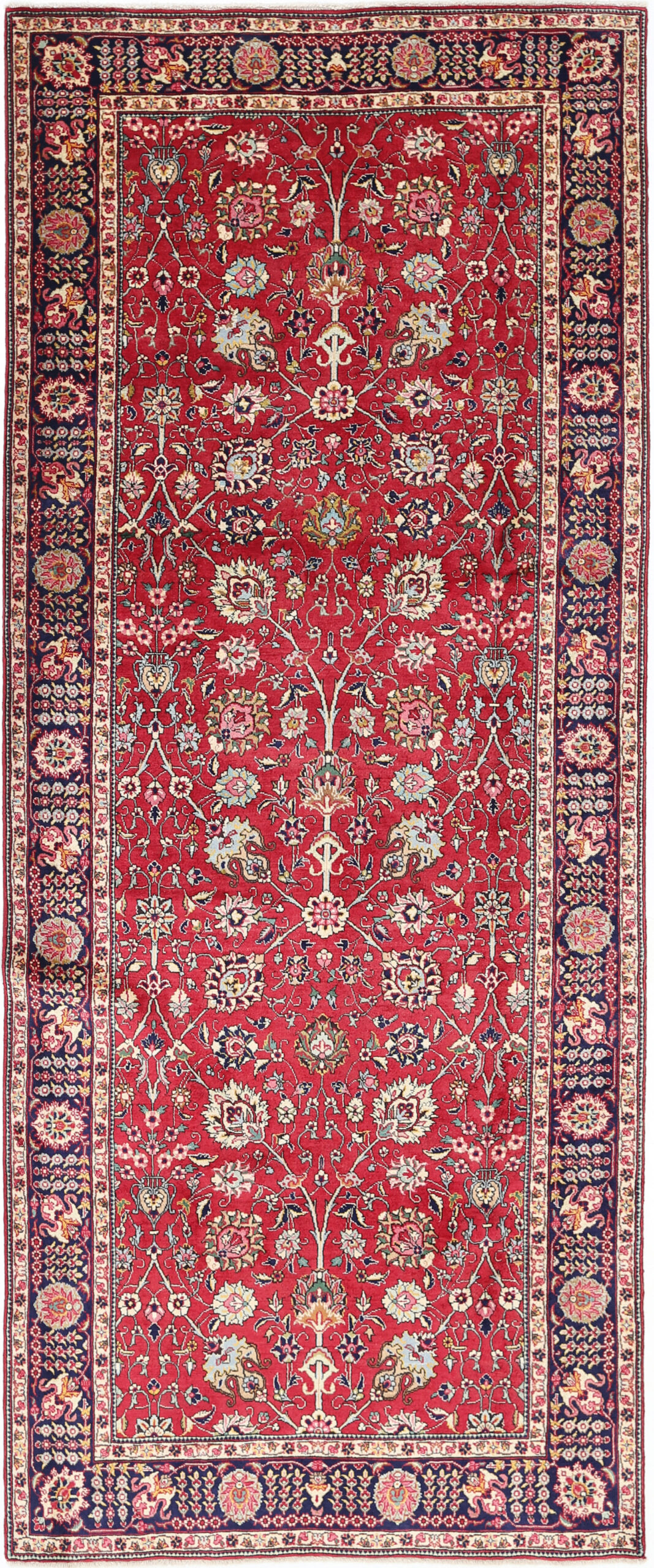
Inspired by gardens, these designs feature flowers, vines, and leaves.
Geometric Design
Common in tribal rugs, these patterns are bold and symmetrical.
Garden Designs
Represent paradise gardens, often divided into sections.
Each design reflects cultural and regional influences, making Persian rugs highly distinctive.
Why Persian Rug Carpets Are So Valuable
1. Handmade Craftsmanship
Each rug is a product of months or years of skilled labor.
2. High-Quality Materials
Natural fibers and dyes enhance durability and beauty.
3. Longevity
A well-maintained Persian rug can last for generations.
4. Cultural Significance
These rugs represent centuries of tradition and artistry.
5. Investment Potential
Some Persian rugs appreciate in value over time, especially rare or antique pieces.
How Long Do Persian Rug Last?
With proper care, Persian rugs can last 50 to 100 years or more. Antique rugs over 100 years old are still in use today.
Factors affecting lifespan:
- Material quality
- Knot density
- Maintenance practices
Persian Rug in Modern Homes
Despite their historical roots, Persian rugs fit well in modern interiors.
They can:
- Add warmth to minimalist spaces
- Serve as a focal point in living rooms
- Complement both classic and contemporary designs
Mixing traditional rugs with modern furniture is a growing design trend worldwide.
Common Misconceptions About Persian Rugs
“They Are Only for Luxury Homes”
Not true, there are options for various budgets.
“All Expensive Rugs Are Persian”
Many high-priced rugs are not authentic Persian rugs.
“They Require High Maintenance”
Basic care like vacuuming and occasional cleaning is sufficient.
Tips Before Buying a Persian Rug Carpet
- Always check the back for hand-knotting
- Ask about origin and materials
- Avoid deals that seem too cheap
- Buy from reputable sellers
Conclusion
A Persian rug carpet is more than a home accessory it is a timeless piece of art that carries history, craftsmanship, and cultural significance. From its handmade construction to its intricate designs and long lifespan, every aspect contributes to its global reputation.
Whether you’re buying for decoration, comfort, or investment, understanding what defines a Persian rug gives you a major advantage. With the right knowledge, you can confidently choose a piece that will enhance your space and potentially last for generations.